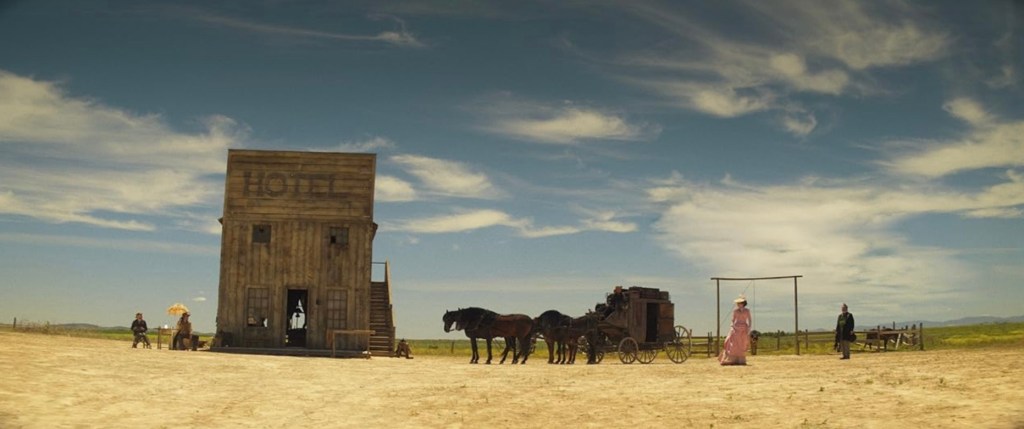
“The English,” a 2022 Western drama series, has captivated audiences with its gripping storyline and stunning visuals. Set in 1890’s America, the show explores themes of love, revenge, and redemption. “The English” can be viewed on Amazon Prime video and is limited to six episodes, approximately six hours of watch-time.
I had a recent bout of sickness where I was bedridden for several days. I took full advantage of the germs I was dealt and packed in as many period pieces as possible. Some were good. Some were not. This was my favorite watch from within that multi-day marathon. I am still thinking about it a week or so later, wanting and wishing for more of the characters and their stories.
While actually filmed in Spain, “The English,” is set in several Central and Western United States such as Oklahoma, Kansas, and Wyoming. The series was directed by Hugo Blick who also can be credited for directing other TV series like, “The Honorable Women”, and, “The Shadow Line”. While I have not personally watched any other of Blick’s productions, if they’re anything like, “The English”, I’ll consider checking them out.
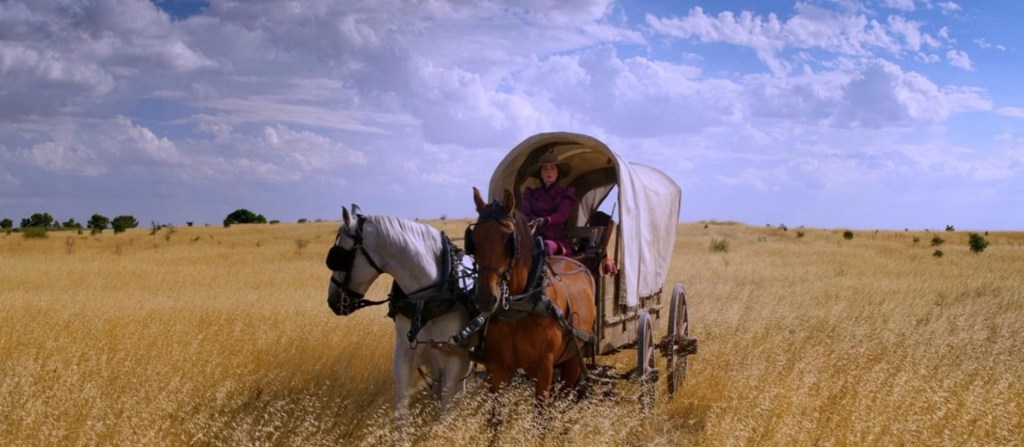
What to Expect:
Well, that’s enough of the basics. Let’s dig a little deeper. My goal for this blog post is not to lay out a timeline of events, summarize the plot, or even be opinionated and critical. My goal is to discuss various historical topics introduced in this series. As I watched each episode, I jotted down terms or locations I was not familiar with. After finishing the series, I researched each topic individually. In this post I will share those researched items. To be completely honest, I did choose to rewatch the series a second time after doing this research, and I quite enjoyed the experience of having collected the background information I was not previously super familiar with and having a better understanding the second time around.
As previously mentioned, I do not intend to give a play by play of this series or spoil any surprises. However, if you’re thinking you may want to watch this show but not sure if it’s your cup of tea, here’s a little more info on what goes down during those six delightful episodes.
There’s a wealthy women from England (Emily Blunt) and she travels pretty far to seek revenge against an individual who wronged her. All the way across the Atlantic, in fact. Once in the United States, she makes a Pawnee companion, (Chaske Spencer). Together, these two navigate the dangers and complexities of the late 1800’s. It’s almost comedic how many hurdles they overcome. The show certainly has a raw and gritty way of reminding us that in this period, no one is safe and every day you make it through alive is a legit accomplishment. It’s almost as if each character depicted is so trauma-stricken from the not-knowing of when their time will come, that they’ve grown numb to it. Like everyone is in a daze of acceptance that each day could be there very last. They only hope that when it does come, it’s as quick and as painless as possible.
Alright, so for those concepts, events, or locations that were introduced where I wasn’t totally sure what they meant or were, or just wanted to be more well-informed on, here they are.
Glossary:
- Kane County, Wyoming: While some resources spell Kane County, “Caine”, from what I can tell, the most reputable sites refer to it as Kane County. The timing does not quite line up with, “The English” as Kane County wasn’t established until 1912. However, it was unnamed and unclaimed prior to 1912 and an actual location located a few miles away from Shoshone River. Some of the primary indigenous tribes in this area were; Crow Nation, Cheyenne Nation, and the Lakota.
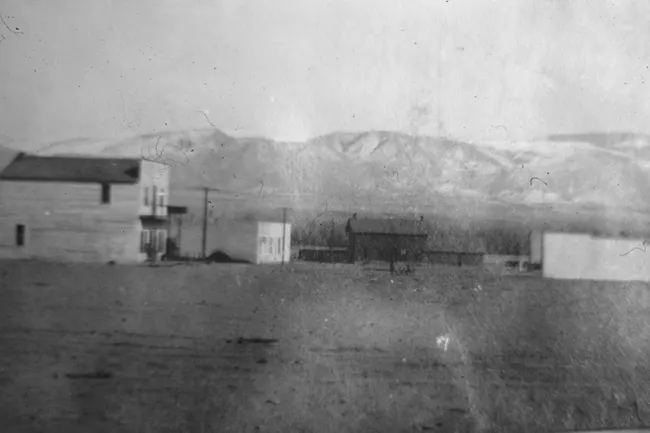
- Powder River, Wyoming: Powder River is a tributary off of Yellowstone River. It was known as a prime area for cattle ranches after the construction of the Northern Pacific Railway in 1882. An official town (Powder River) emerged in the area in 1906 and by 1910 there was a post office, school, and general store. Some of the primary indigenous tribes in this area were; Crow, Cheyenne, and the Shoshone.
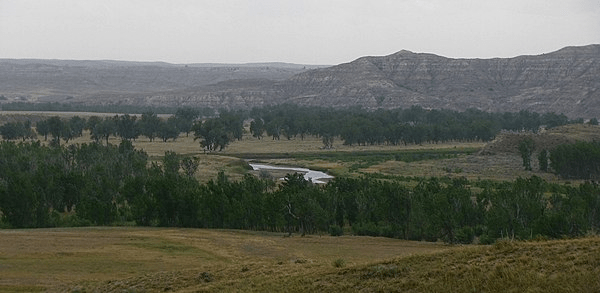
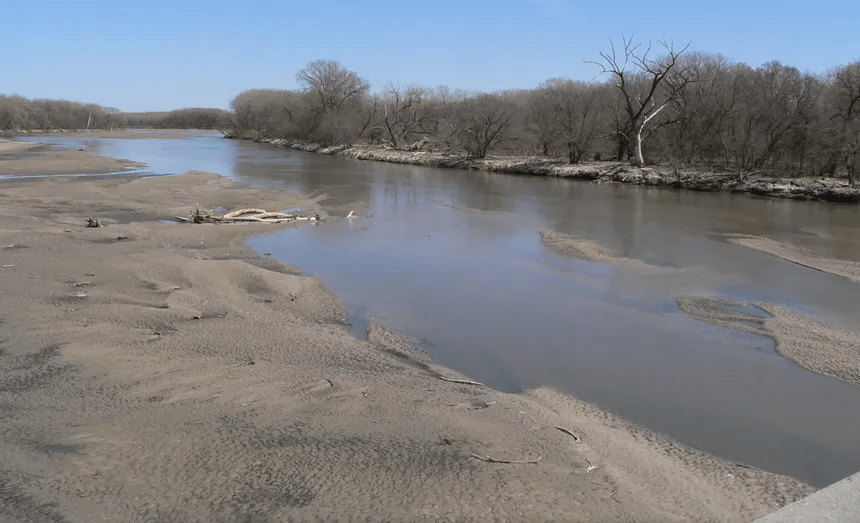
- The Loup, Nebraska: The town was named after the river that ran through it, Loup River, and it was established in 1880. Since the 1850’s, many had flocked to this area due to the Kansas-Nebraska Act. It grew rapidly and its economy flourished amongst its agriculture, livestock and coal mining trades. Some of the primary indigenous tribes in this area were; Omaha, Otoe, and Pawnee.
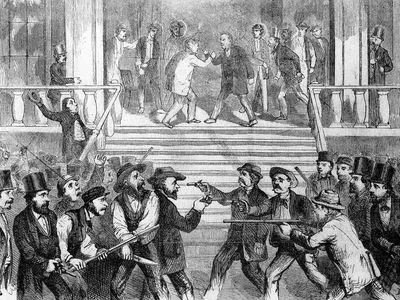
- Kansas-Nebraska Act: Sixty-four years after the Missouri Compromise declared the territory slave free, on January 1884 Senator Stephen Douglas introduced the Kansas-Nebraska bill, declaring this same land (west of Missouri) would now be divided into two territories; Kansas and Nebraska. The act also said that whether this area would remain slave-free or not was up for debate. The settlers in each territory would have the power to choose. Naturally, with this new citizen-given power, the newly declared territories quickly found themselves filled with citizens. They were not in fact, like-minded. Things got nasty quick as those who were pro-slavery clashed with those who were anti-slavery, dubbing the term, “Bleeding Kansas”.
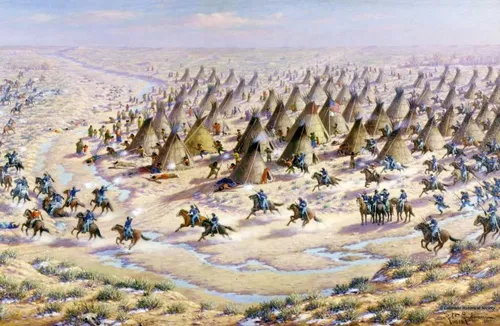
- Massacre Canyon: Both an actual canyon and historical battle location, this Nebraska landmark became the final resting place for many Native Americans on August 5, 1873. While we don’t have an exact number of casualties, very few of the Lakota (Sioux) tribe lost their lives, whereas; 156-171 Pawnee were lost, many of which were women and children. Like most tension between tribes; hatred stemmed from territory battles over land. On this fateful day, the Pawnee were outnumbered when a War Party of Sioux pursued them. The defeat resulted in a great migration of Pawnee leaving their Nebraska reservation and relocating to Oklahoma.
- Sand Creek ’64: The Sand Creek Massacre occurred on November 29th, 1864 in Colorado. While acts of violence between American soldiers and Native American tribes were rampant during this time, the Governor of the Territory of Colorado, John Evans, announced all “friendly” Native Americans should gather at Fort Lyons for safety and supplies. A tribe of 750+ Arapaho/Cheyenne men, women and children settled at Big Sandy Creek waiting for the “go ahead”. Unfortunately, before peace negotiations could be finalized, a band of rogue soldiers led by Colonel John Chivington would descend upon the Natives and massacre them with the utmost brutality.
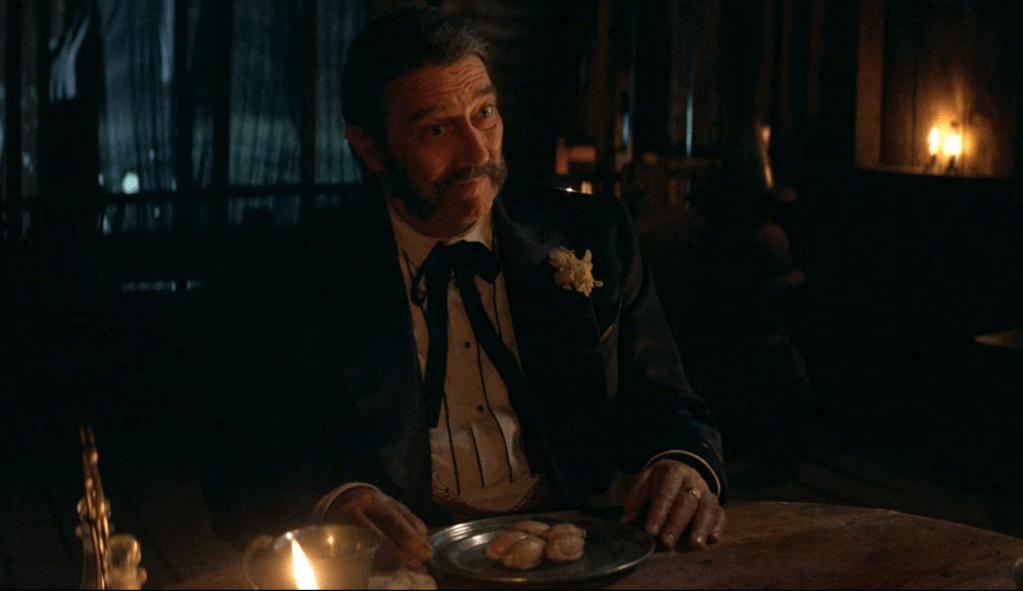
- Prairie Oysters: Prairie oysters go by a few different names; meat balls, Montana tendergroins, calf fries, cowboy caviar, swinging beef, cowboy or mountain oysters and even Rocky Mountain oysters. While it has many names, it’s just one thing. Bull testicles. Would you dine and digest these Western delicacies?
- Homestead Act: The Act was passed by Congress on May 20, 1862 and detailed that those who had not bore arms against the United States government could acquire plots of land if they abided by certain requirements; including but not limited to, remaining on and improving the land for five years. Those who had been deployed on active military duty could use their time served towards this requirement.
- Hoxem: Hoxem, Wyoming is a fictional town. It only exists inside of this TV Series.
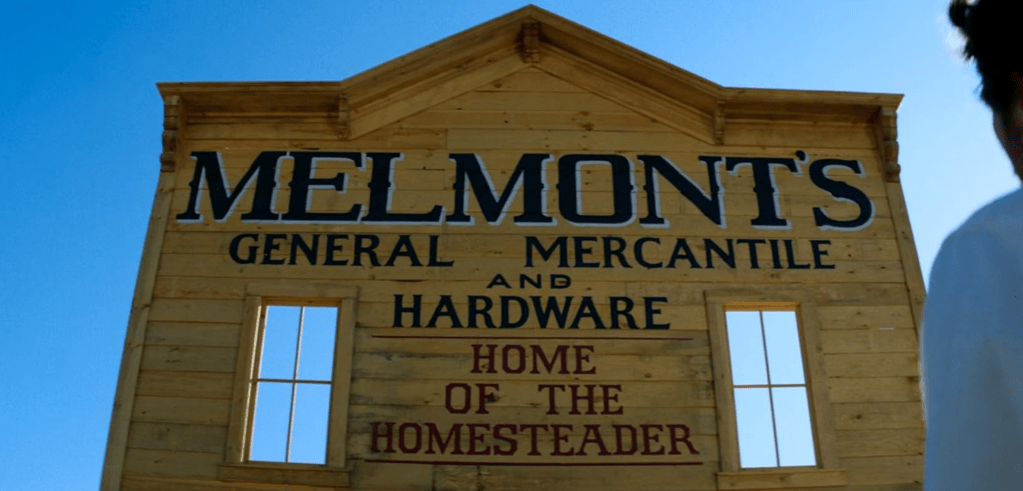
- Huckster: While the word did not originally have a negative connotation, by the late 1800’s, the term represented someone who would sell to others, typically involving trickery or deceptive antics.
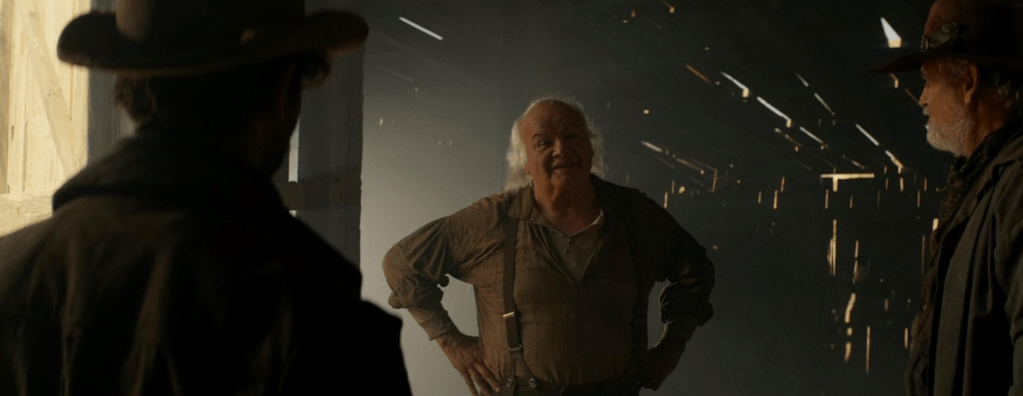
- Pawnee Scout: The Pawnee Scouts were a renowned unit of Pawnee Native Americans who served as allies to the United States army by providing intelligence and cultural insights, interpretations and mediations, tracking and reconnaissance, as well as combat support. Scouts were paid and equipped by the United States army. Scouts came from many tribes including Apache, Crow, Shoshone and Tonkawa populations.
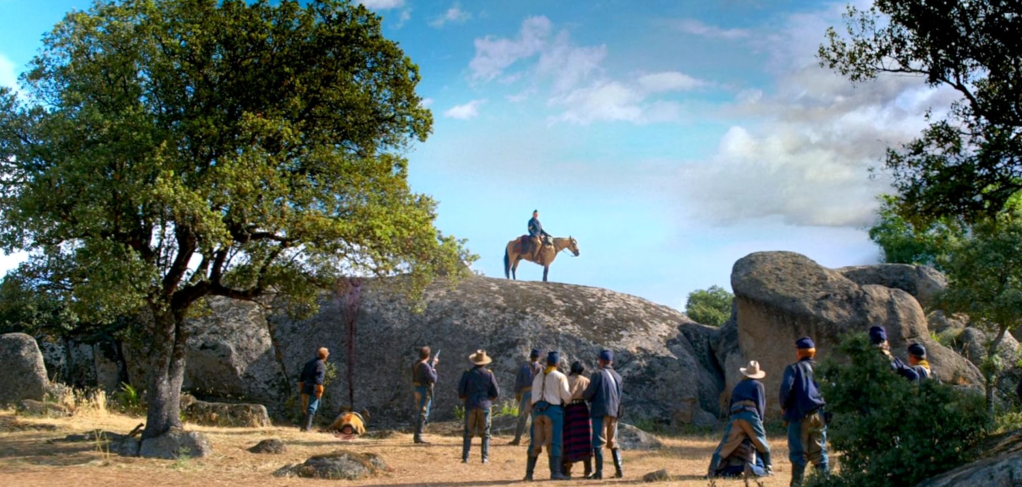
- Ghost Dancers: Ghost Dancers could be found among an assortment of Native American tribes; Sioux, Cheyenne, Arapaho, Comanche, and Kiowa, among others. Ghost Dancers perform the Ghost Dance, a ritualistic dance that originated among the Paiute people in Nevada in the 1860’s. The dance was more than just a form of expression. Through its practice, Native Americans were honoring ancestors, communicating with spirits, and celebrating their culture by combating the ever-present pressure to become less traditional and more colonized.
- Syphilis: While Syphilis is much more of a non-threat in modern times, in the 1800’s it was a major health concern. It was most commonly known as a sexually-transmitted disease, but could also be contracted through childbirth, blood transfusions and unsterilized medical equipment. Consisting of several stages, symptoms ranged from sores (chancres) developing on the body to paralysis and even death.
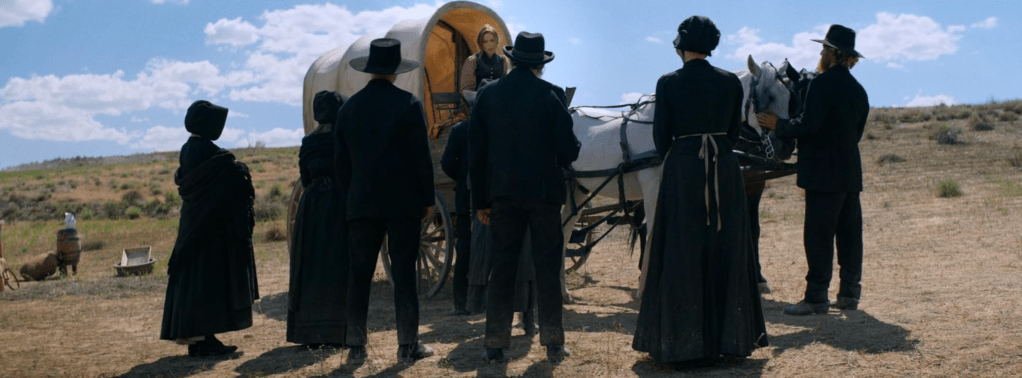
- Mennonites: The Mennonites are a Christian population that began emigrating to the United States in the late 1600’s to the early 1700’s. This “version” of Christianity was founded by Menno Simons in Switzerland. Mennonites in the late 1800’s mostly spoke German and could be defined by their pacifist values and desire to live a simple life. Mennonites fled Europe to gain religious freedom and start anew.
To Put it Simply:
Was everything perfectly historically accurate in, “The English”? No, of course not. Most cinematic productions aren’t, unless we’re watching a documentary. But we are not. (Nothing against documentaries). Did I feel like the director and producers adequately represented the late 1800’s in America? Yes. Did I feel immersed? Yes. While this was filmed in Spain, I had no idea until I researched. Apparently Spain has areas that are very American Great Plains-esque. Who knew?
Rating:
For me, this would have been a five star-series if-
- Slightly less one-on-one conversations. I didn’t even pick up on this until the second time around. There’s a lot of chit-chat in the few first episodes where the camera gets real close to the actors/actresses faces and they talk in a very abstract way. Like non-direct. I was down for this one the first watch so maybe you will be too, but just a bit too much for me. I like the action scenes.
- The ending. I was hoping for something a little “happier”. But I didn’t feel happy. I felt sad. I know real stories do not always have a happy ending, but I wanted this one to.
If you’ve watched, “The English” (once or maybe twice), I want to know what you thought! Please drop your opinions and comments below and I look forward to hearing from you!

 In With The Old
Leave a comment